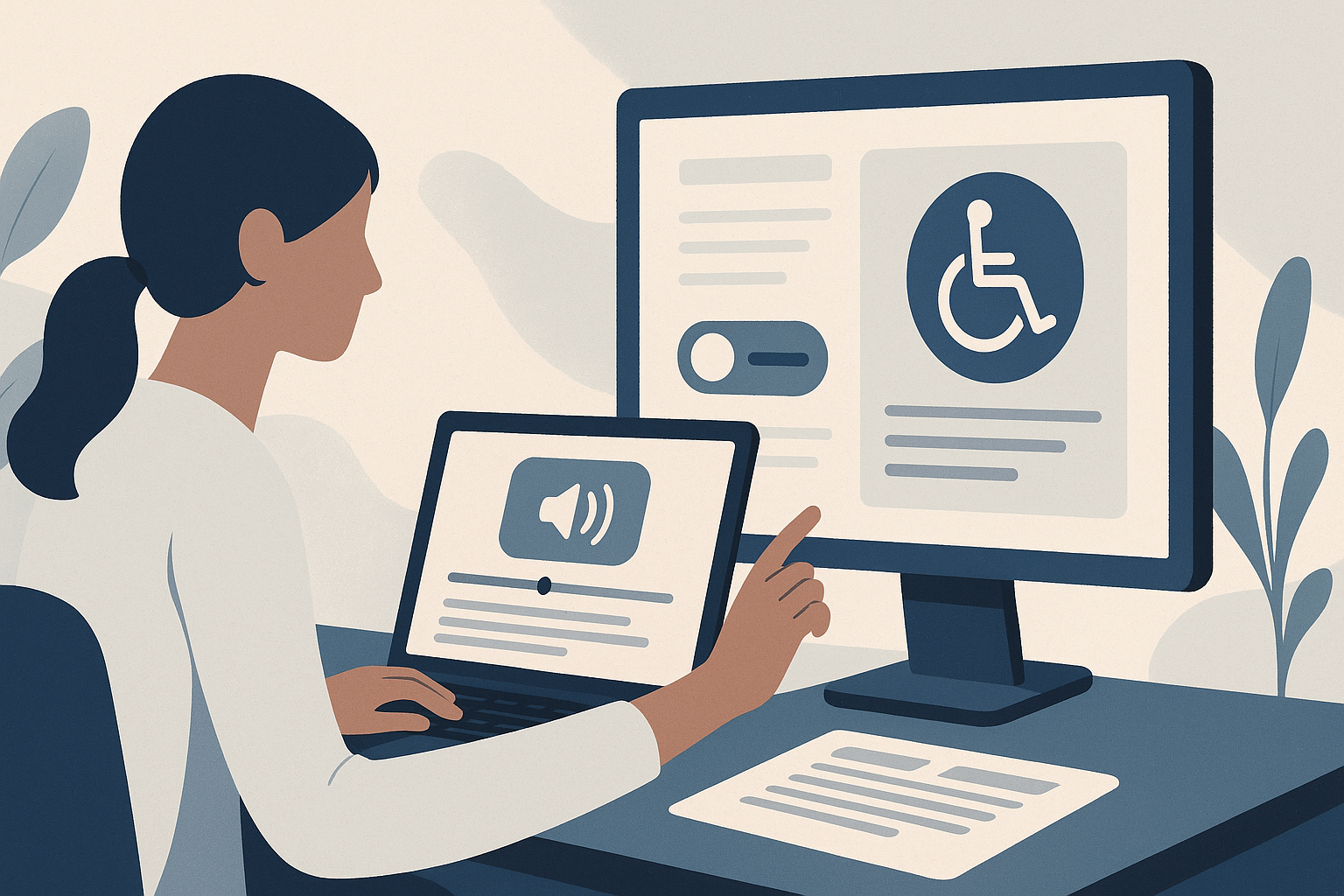
I remember sitting in a meeting with my team, discussing the features for our next product release. My eyes grazed over the extensive list we had compiled, and I felt a twinge of doubt. We had a strong vision for accessibility, but each additional feature seemed to add layers of complexity, not just to the design but to the overall user experience.
Reflecting on my experiences with building MyUI.AI, I realized that making accessibility a priority from day one meant embracing a different kind of cost—focusing on inclusive design rather than retrofitting later. It required us to challenge the conventional wisdom that shortcuts could be taken. It was tempting to prioritize flashy features over the fundamental aspects that catered to users with disabilities.
The conversation with my team became a pivotal learning moment. We chose to invest time in user research, engaging with communities to understand their needs. I learned that the upfront cost of designing with accessibility in mind isn't just financial—it's a commitment to empathy and understanding. The insights we gained were invaluable, shaping a product that resonated more deeply with our users.
Ultimately, this experience reinforced a key takeaway: building accessible products isn't merely a checkbox; it's a mindset that influences our design philosophy and company culture. The cost of accessibility is always there, but investing in it from the start pays off in user satisfaction and trust.